

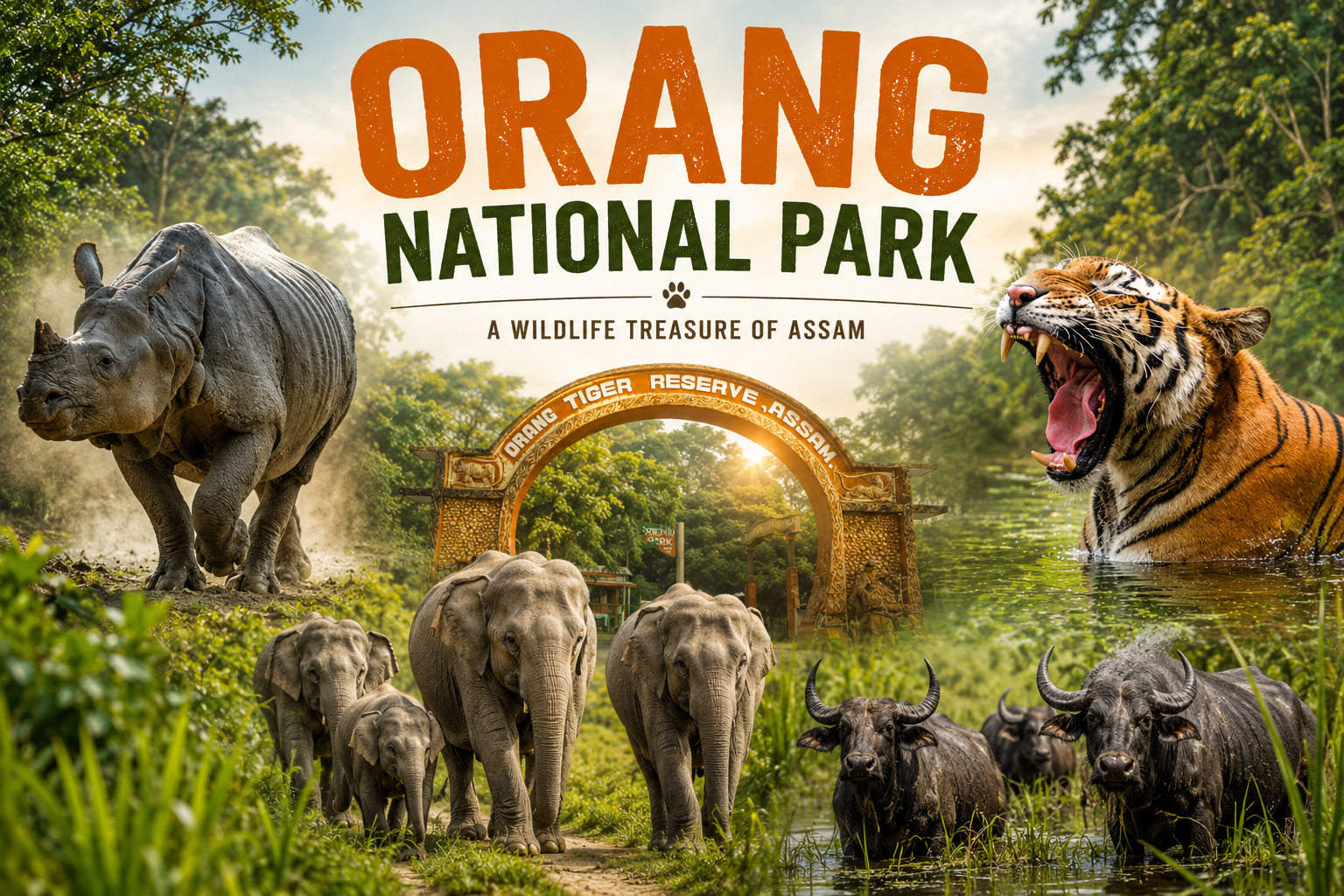
Explore Orang National Park, Assam’s “Mini Kaziranga,”. Learn about its geography, biodiversity, one-horned rhinos, tiger reserve status and conservation initiatives. Important for APSC ( Prelims & Mains ).
Introduction
Often referred to as the “Mini Kaziranga” due to its striking landscape resemblance, population mix, and marshy ecosystems, Orang National Park is a critical rhinocerotic and tiger habitat located on the northern bank of the Brahmaputra River.
Administrative & Spatial Profile
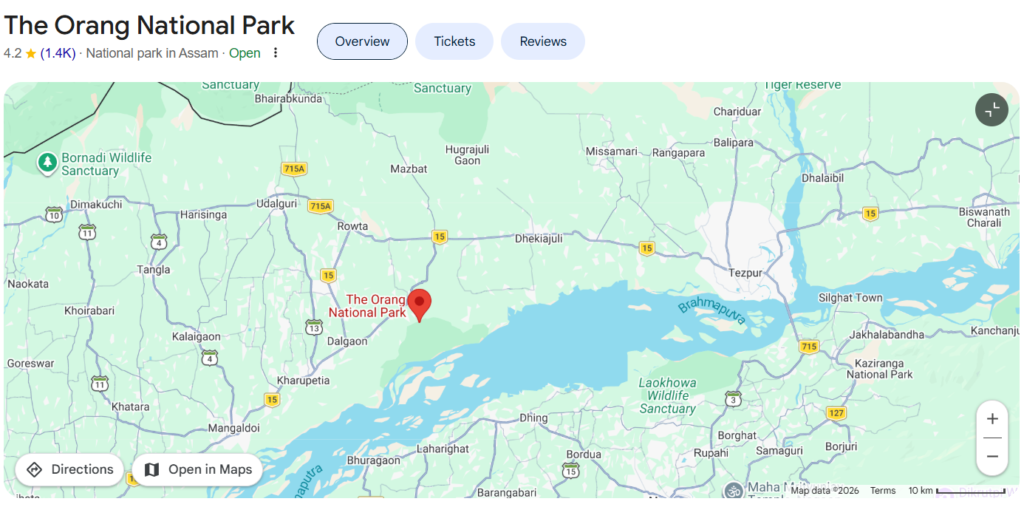
- Location: Situated on the northern bank of the Brahmaputra River, spanning across the Darrang and Sonitpur districts of Assam.
- Size: It is one of Assam’s smaller national parks, covering a compact core area of approximately 78.81 sq.km to 79.28 sq.km.
- Tiger Reserve Status: Functions as the primary core zone of the larger Orang Tiger Reserve.
Legal Status & Naming Timeline
- Pre-1900: Inhabited by local tribes who completely abandoned the area following a devastating epidemic disease.
- 31 May 1915: Declared as the Orang Game Reserve by British colonial authorities
- 20 September 1985: Established as a Wildlife Sanctuary.
- 1992: Renamed the Rajiv Gandhi Wildlife Sanctuary, but this designation was reversed due to intense public opposition.
- 13 April 1999: Officially upgraded and notified as a National Park.
Geography, Hydrology & Terrain
River Boundaries:
- Dhansiri River – Western boundary.
- Pachnoi River – Eastern boundary.
- Belsiri River – Adjacent to the park landscape.
All rivers ultimately drain into the Brahmaputra River.
- Alluvial Terraces: Terrain slopes gently north–south (45–70 m elevation).
- Lower Terrace: Recent alluvium along riverbanks and flood channels.
- Upper Terrace: Older alluvium, separated by a prominent east–west high bank.
Wetlands:
- Seasonal flooding sustains a dynamic floodplain.
- Contains 12 natural beels and 26 artificial water bodies.
Habitat Types and Vegetation
- Part of the Indo-Burma Biodiversity Hotspot.
- Grasslands (>60% of area): Dominant habitat comprising savannah, wet alluvial, and degraded grasslands.
- Key species: Phragmites karka, Arundo donax, Imperatacylindrica, Saccharum spp.
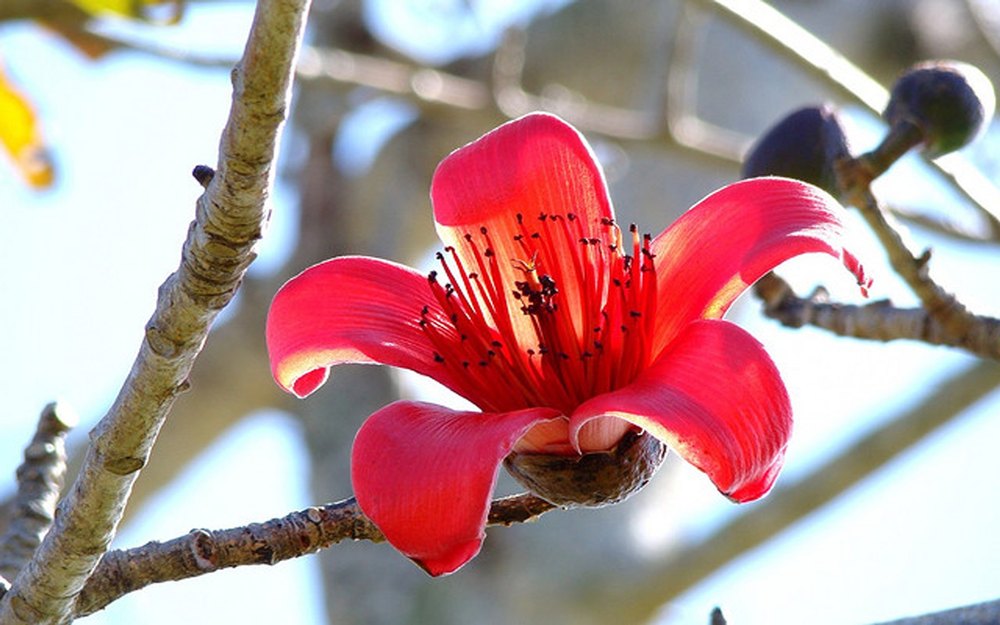
- Moist Deciduous Forests (~15.85 km²): Eastern Himalayan moist deciduous vegetation.
- Key species: Bombax ceiba (Simolu), Dalbergia sissoo (Sissoo), Sterculia villosa, Trewianudiflora, Ziziphus jujuba.
- Swamps & Waterbodies (~15.2 km²): Seasonal swamp forests and open-water ecosystems.
- Key species: Ipomoea aquatica, Enhydra fluctuans, Nymphaea spp.
- Major invasive: Eichhornia spp. (Water Hyacinth).
Faunal Complexities & Keystone Mammals
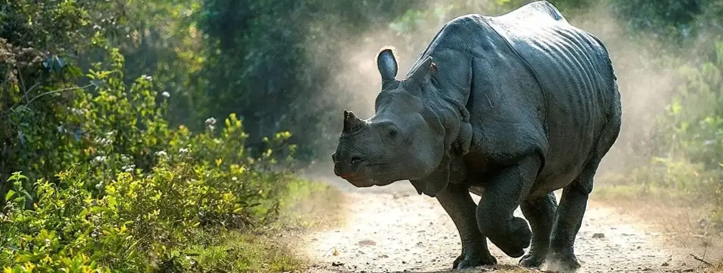
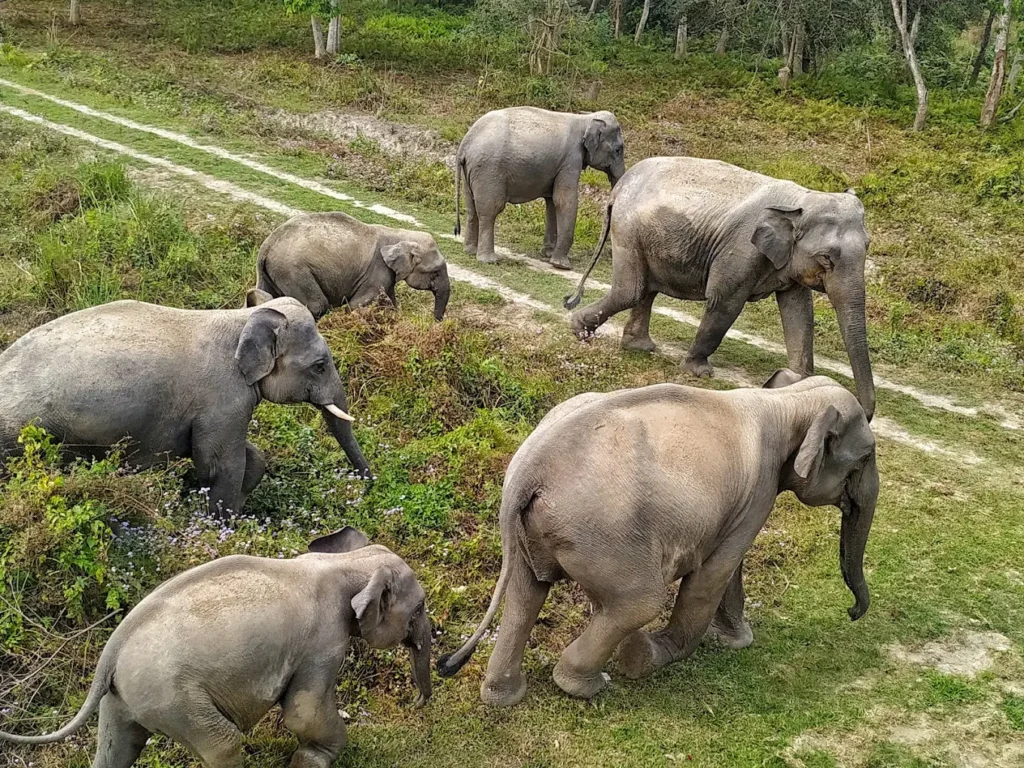
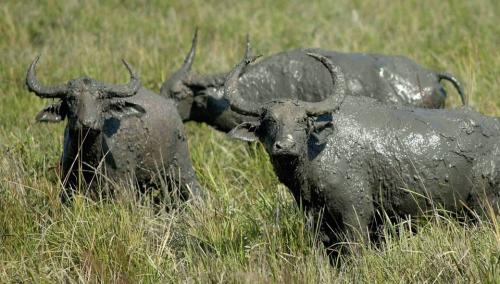
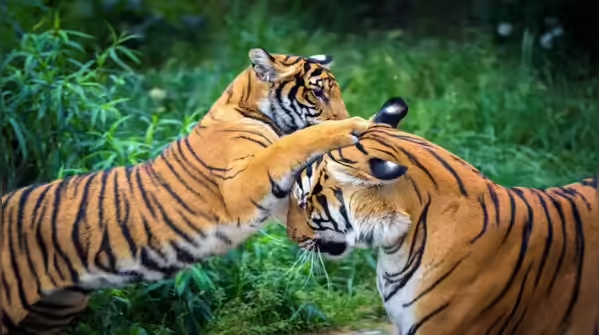
- “Big Four” Stronghold: Supports breeding populations of the Indian One-Horned Rhinoceros, Bengal Tiger, Asian Elephant, and Wild Water Buffalo.
- Pygmy Hog Conservation Site: Important reintroduction habitat for the Critically Endangered Pygmy Hog, one of the world’s rarest wild pigs.
- Aquatic Apex Fauna: The adjacent Brahmaputra River channels support the endangered Gangetic Dolphin.
- Other Notable Mammals: Indian Pangolin, Hog Deer, Wild Boar, Smooth-coated Otter, Fishing Cat, Leopard Cat, Jungle Cat, and Small Indian Civet.
Ornithological Eminence
- Important Bird Area (IBA): Recognized by BirdLife International as an Important Bird and Biodiversity Area.
- Wet-Grassland Bird Hotspot: Among Assam’s three premier IBAs and a key wet-grassland bird site of the Indo-Gangetic Plain; records 222 bird species.
- Bengal Florican Stronghold: Supports over 1% of the global population of the Critically Endangered Bengal Florican, making it one of the species’ most important habitats worldwide.
- Other Threatened Birds: Swamp Francolin, Spot-billed Pelican, Great White Pelican, Black-necked Stork, Greater Adjutant, Lesser Adjutant, Pallas’s Fish Eagle, and Ruddy Shelduck.
Conservation Initiatives & Threat Landscape
- Human Pressure: Dense settlements around the park drive encroachment, habitat disturbance, and human-wildlife conflict.
- Poaching Crisis: Intensive poaching (1991-2000) reduced rhino numbers to 48, prompting a tri-district anti-poaching coordination mechanism.
- Rhino Vision India (RVI): Joint initiative of the Assam Government, WWF-India, International Rhino Foundation, Zoo Basel, and WAZA to secure and expand rhino populations.
- Tiger Monitoring: In partnership with Aaranyak, camera traps and GIS-based monitoring are used under a Species Survival Plan (SSP) to track tigers and reduce human-tiger conflict.
About Lucent IAS
Lucent IAS is a premier coaching institute in Guwahati, dedicated to empowering APSC aspirants with a result-oriented approach. Recognized as a top destination for APSC Coaching, we offer comprehensive guidance ranging from Foundation Courses and Advanced Mains preparation to our signature Assam-Centric study modules. With expert faculty, small batch sizes for personalized mentoring, and the acclaimed Saadhana Test Series, Lucent IAS is committed to helping you crack the Civil Services Examination.
Publications From LUCENT IAS
- “The Assam Odyssey: The Complete Assam Centric Resource useful for APSC CCE and various other Departmental Examinations. Read More
- InExam PYQ Explained.Read More
- Mains Tattva: The Craft of Answer Writing (GS Paper PYQs). Read More
- Maanchitra – An Illustrative Colour-Coded Informative Map of Assam. Read More
- প্ৰাৰম্ভ (Prarambha). Read More
- অসম ওডিচী – The Assam Odyssey (Assamese Edition). Read More
Start your journey to success today. Visit us at lucentias.com or call +91-6913007777 for more details.