

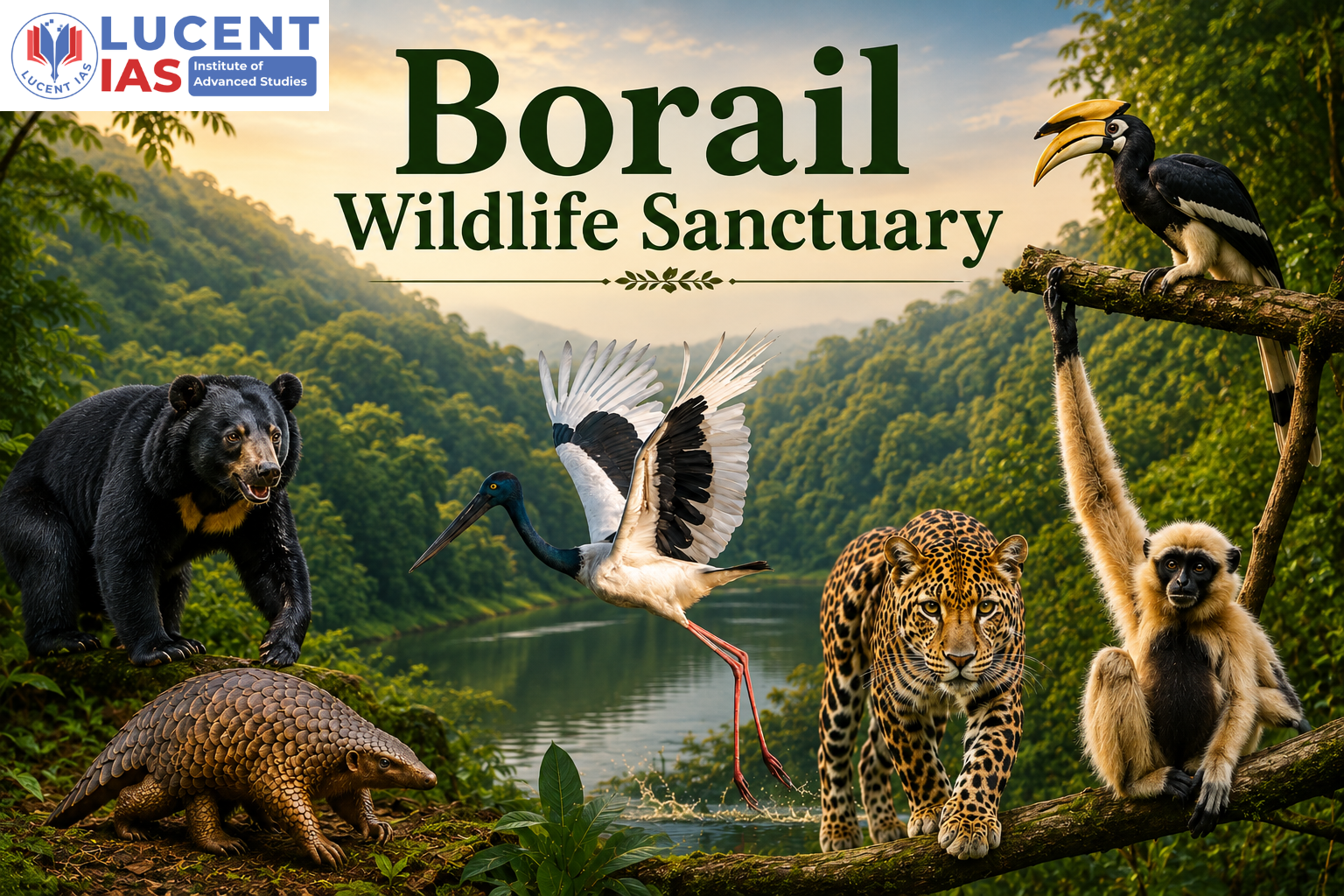
Explore Borail Wildlife Sanctuary, one of Assam’s richest biodiversity hotspots. Learn about its location, unique ecosystems, rare wildlife species, important rivers, conservation significance, and key facts essential for APSC ( Prelims & Mains ).
BORAIL WILDLIFE SANCTUARY
Borail Wildlife Sanctuary is an indispensable ecological landscape in Southern Assam. Situated within the hyper-diverse Indo-Burma biodiversity hotspot, it is renowned for its extreme altitudinal variations and unique forest types.
Geo-Administrative Profile of Borail WLS
- Location: Situated in the southern part of Assam (the Barak Valley region), spanning across the Cachar and Dima Hasao districts.
- Spatial Extent: Covers a massive area of 326.24 (sq. km) making it one of the largest wildlife sanctuaries in Assam.
- Topography & Altitude: Characterized by rugged, sharply undulating hills with an exceptional altitudinal gradient ranging from less than 30 meters to more than 1,867 meters above sea level.
- Geology & Soil: The soil structure is highly variable due to the terrain, ranging from sandy and stony at higher reaches to heavy clayey variations in the valley pockets.
Hydrology & River Network
The sanctuary is a vital catchment area that feeds the Barak River basin. The major perennial rivers flowing through Borail are: Jatinga River, Daloo River, Kayong River, Gumra River, Boleswar River.
Vegetation & Forest Classification of Borail WLS
Fueled by high precipitation and a unique geographic position, the reserve comprises:
- Cachar Tropical Moist Evergreen Forests
- Semi-Evergreen Forests
- Canewood & Bamboo brakes along the steep, humid hill slopes.
Faunal Complexities & Biodiversity in Borail WLS
Mammals
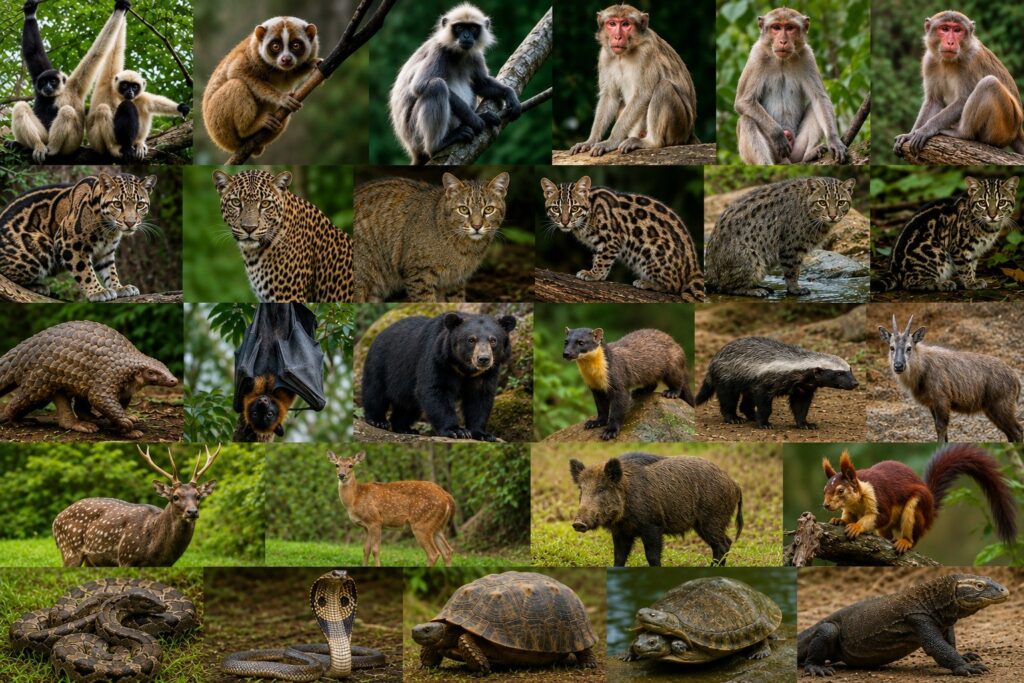
- Primate Diversity: Western Hoolock Gibbon (India’s only ape), Slow Loris, Capped Langur, Stump-tailed Macaque, Assamese Macaque, and Rhesus Macaque.
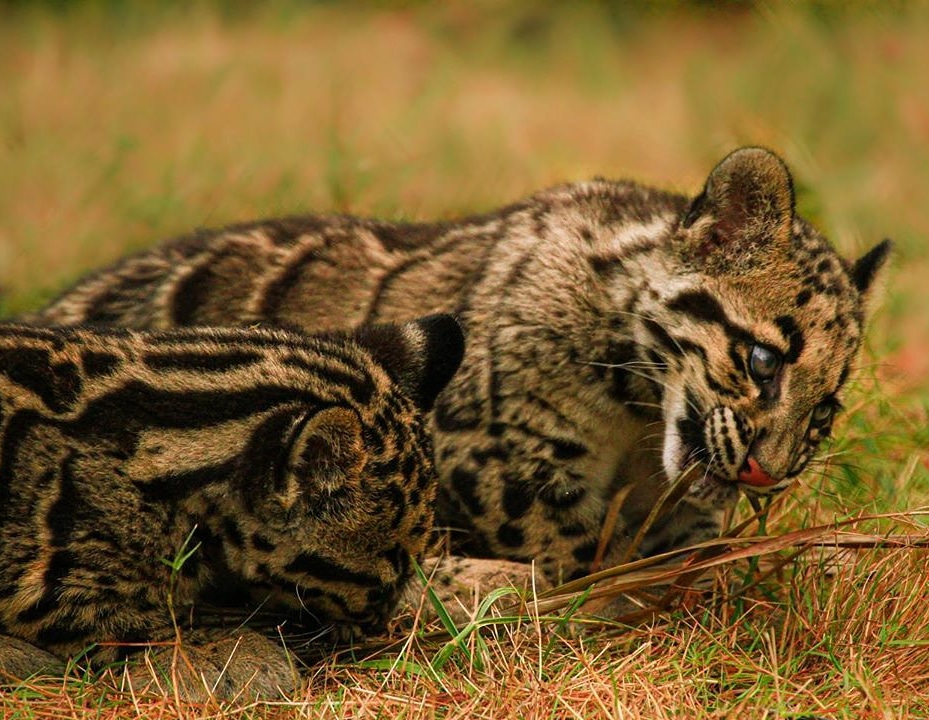
- Wild Cats: Clouded Leopard, Indian Leopard, Jungle Cat, Leopard Cat, Fishing Cat, and Marbled Cat.
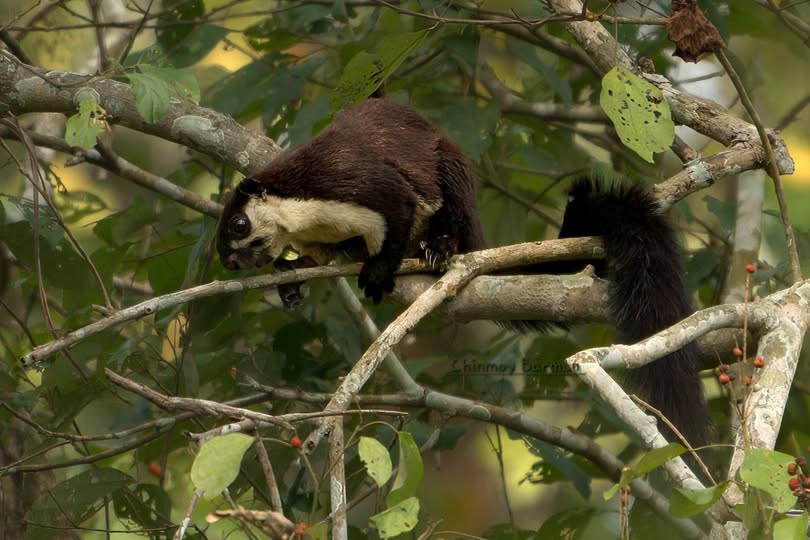
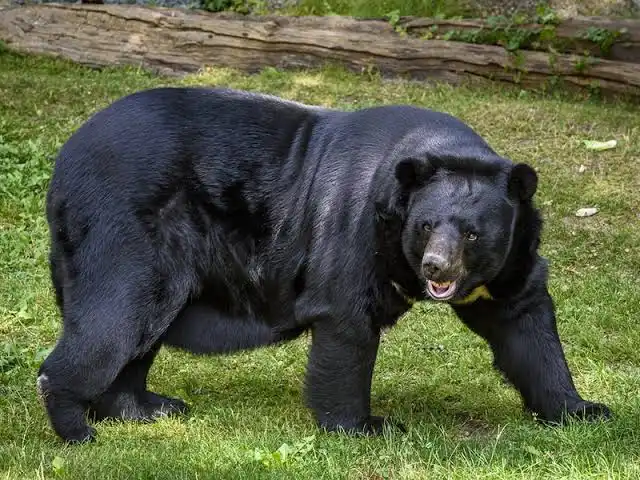
- Other Threatened Species: Chinese Pangolin, Flying Fox, Himalayan Black Bear, Yellow-throated Marten, Hog Badger, Serow, Sambar, Barking Deer, Wild Pig, and Malayan Giant Squirrel.
Avifauna in Borail WLS
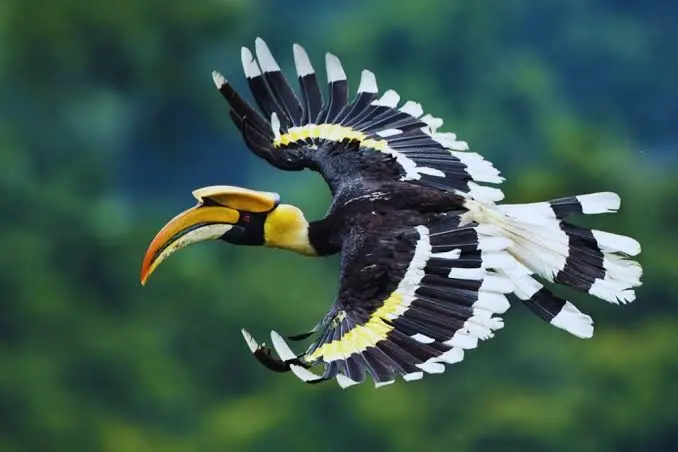
- Hornbills: Great Pied Hornbill, Wreathed Hornbill, and Vulnerable Rufous-necked Hornbill.
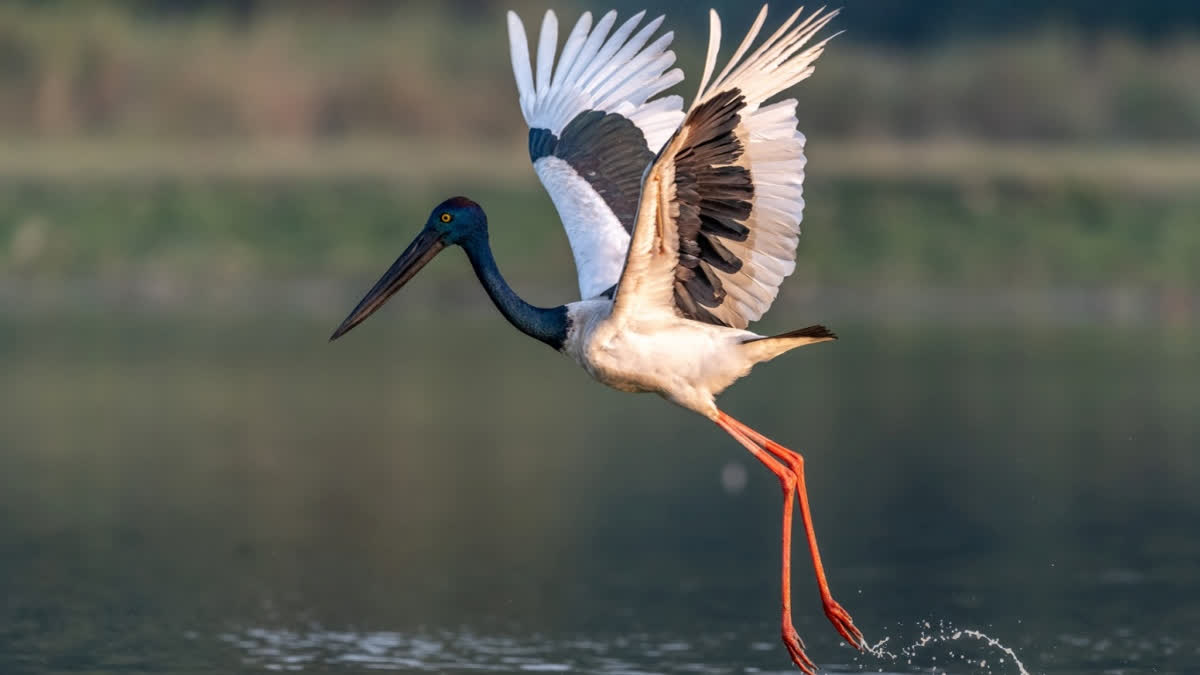
- Vultures & Storks: White-backed Vulture, Slender-billed Vulture, and Lesser Adjutant Stork.
- Pheasants & Partridges: Grey Peacock-Pheasant, Khaleej Pheasant, White-cheeked Hill Partridge, and Mountain Bamboo Partridge.
Reptiles in Borail WLS
- Indian Rock Python
- King Cobra
- Brown Hill Tortoise (Manouriaemys) – India’s largest land tortoise
- Asian Leaf Turtle
- Monitor Lizard
About Lucent IAS
Lucent IAS is a premier coaching institute in Guwahati, dedicated to empowering APSC aspirants with a result-oriented approach. Recognized as a top destination for APSC Coaching, we offer comprehensive guidance ranging from Foundation Courses and Advanced Mains preparation to our signature Assam-Centric study modules. With expert faculty, small batch sizes for personalized mentoring, and the acclaimed Saadhana Test Series, Lucent IAS is committed to helping you crack the Civil Services Examination.
Publications From LUCENT IAS
- “The Assam Odyssey: The Complete Assam Centric Resource useful for APSC CCE and various other Departmental Examinations. Read More
- InExam PYQ Explained.Read More
- Mains Tattva: The Craft of Answer Writing (GS Paper PYQs). Read More
- Maanchitra – An Illustrative Colour-Coded Informative Map of Assam. Read More
- প্ৰাৰম্ভ (Prarambha). Read More
- অসম ওডিচী – The Assam Odyssey (Assamese Edition). Read More
Start your journey to success today. Visit us at lucentias.com or call +91-6913007777 for more details.